
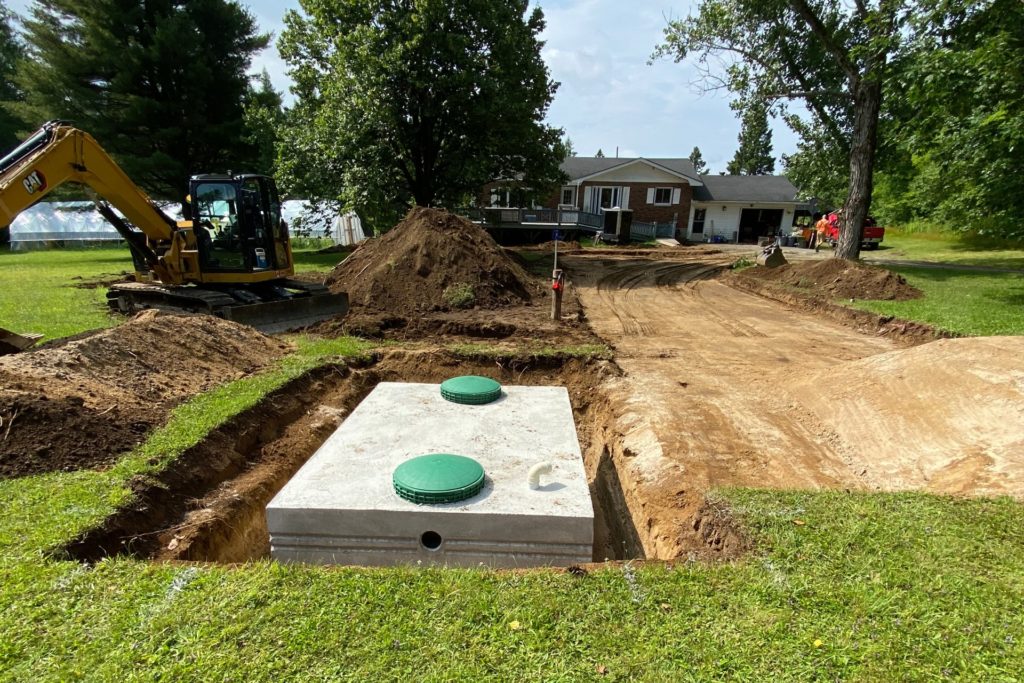
Installing or replacing a septic system is a significant investment, so it is no surprise that one of the first questions homeowners ask is, “How much will it cost?” The answer is not always straightforward because every property is different. Factors such as soil conditions, system size, and site accessibility all play a role in the overall price.
Rather than focusing on a single number, it is more helpful to understand what influences the cost of a septic system. Knowing these factors can help you plan your project, avoid unexpected expenses, and make informed decisions.
Property Conditions Matter
Every septic project begins with the property itself. The size of the lot, the slope of the land, and the type of soil all affect how a septic system is planned and installed.
For example, rocky ground, clay-heavy soil, or uneven terrain may require additional excavation or site preparation. These conditions can increase the amount of work involved before installation even begins. A professional septic system design helps identify these factors early and ensures the system is suitable for your property.
The Size of the System
A larger home typically uses more water than a smaller one. Because of this, the septic system must be sized to handle the expected wastewater produced by the household.
The number of bedrooms, plumbing fixtures, and anticipated water usage are all considered during the planning process. Installing a system that is too small can lead to future problems, while an oversized system may result in unnecessary costs.
Excavation and Site Preparation
No two installation sites are exactly alike. Some properties are easy to access, while others require additional excavation, grading, or trenching before work can begin.
If trees, old structures, or existing underground utilities need to be addressed, these factors can also affect the project’s overall cost.
Preparing the site properly helps ensure the septic system performs as intended for many years.
New Installation or Replacement?
The cost can also depend on whether you are installing a septic system for a new home or completely replacing a septic tank.
A replacement project may involve removing an old tank, abandoning outdated components, or upgrading the system to meet current regulations. Although this can increase the scope of work, replacing an ageing system often prevents more expensive problems in the future.
Investing in Quality Pays Off
Choosing the lowest-priced option is not always the best decision. A properly designed and professionally installed septic system is more likely to provide dependable performance and require fewer repairs over its lifespan.
High-quality materials, experienced workmanship, and careful planning all contribute to a system that works efficiently for years to come. Investing in quality from the beginning can help reduce maintenance costs and lower the risk of unexpected breakdowns later.
Plan Ahead with Professional Guidance
Every septic project is unique, so an on-site evaluation is one of the best ways to understand the expected cost. Our team at Pioneer Septic Solutions can assess your property, identify the right solution, and help you plan with confidence before work begins.
Whether you are building a new home or consideringinstallation for an existing property, expert guidance early in the process can help you avoid unnecessary surprises.
Build with Confidence
While the cost of a septic system varies from one property to another, understanding what influences the price allows you to make confident decisions. Proper planning today can help prevent costly surprises tomorrow while giving you a system built to serve your property for years. If you are planning a new installation or replacing an existing system, we at Pioneer Septic Solutions, are here to help. Contact us today to schedule a consultation and receive expert guidance for your next septic project.