
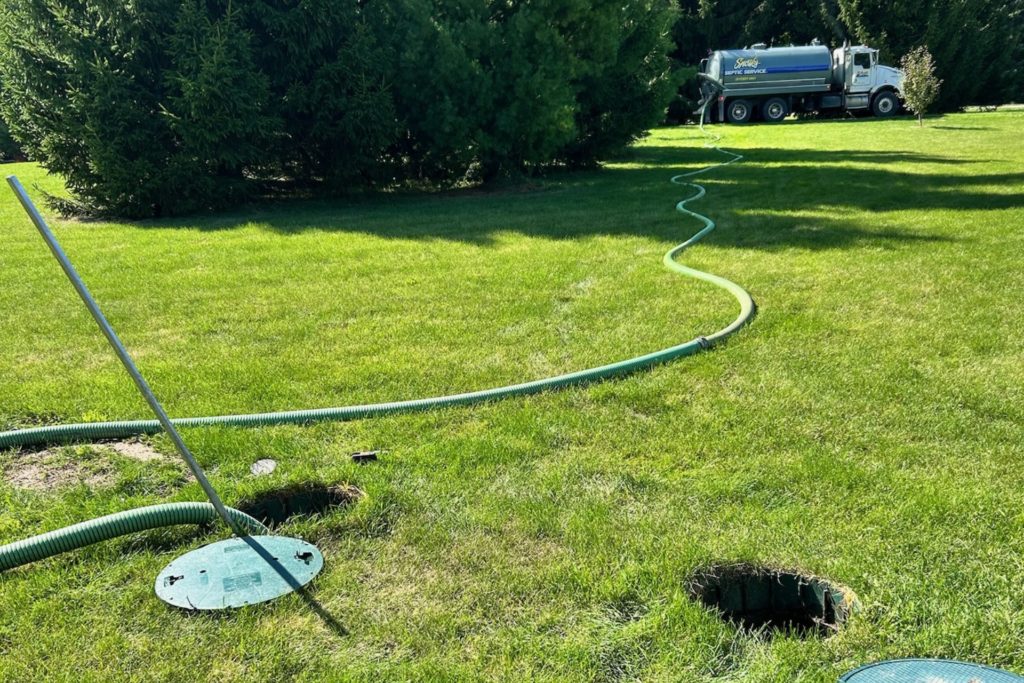
A septic system usually works quietly in the background, so it is easy to forget about it until something goes wrong. When a system starts to fail, the signs can show up fast: slow drains, bad smells, pooling water, or sewage backing up into the home.
The good news is that many septic problems develop slowly, which means there is often time to catch them early. At Pioneer Septic Solutions, we help homeowners across Southern Ontario spot trouble before it turns into a major mess.
The Most Common Reasons Septic Systems Fail
Septic system failure usually does not happen for just one reason. In most cases, it is a mix of poor maintenance, heavy use, age, or site conditions. Here are some of the most common causes.
1. Skipping Regular Pumping
A septic tank needs routine pumping to remove sludge and scum. When that waste builds up too much, it can move into the drain field and clog the system. Once that happens, repairs can get expensive fast. Regular pumping is one of the simplest ways to protect the tank and the tile bed.
2. Too Much Water Going into the System
A septic system is designed to handle a certain amount of water. Long showers, running multiple loads of laundry, leaky toilets, and extra water use can overload the tank. When too much water enters too quickly, solids do not settle properly and the whole system loses efficiency.
3. Tree Roots and Ground Pressure
Tree roots are naturally drawn to moisture. If roots reach septic lines or the tank, they can crack pipes, block flow, and create stubborn backups. Heavy vehicles, poor grading, or construction near the system can also damage underground parts and shorten the life of the system.
4. Poor System Design or Installation
A system that was not designed for the property can struggle from the start. Soil type, lot size, slope, and household needs all matter. If the system is too small, placed in the wrong spot, or installed without proper planning, failure becomes much more likely over time. That is why septic system design is such an important step before installation.
5. Lack of Maintenance
Small issues can turn into major problems when they are ignored. A cracked baffle, damaged lid, weak pump, or clogged filter may not seem urgent at first, but each one can affect how well the system works. Routine inspections help catch these problems early and protect the tank, pipes, and drain field.
Signs the System May Be in Trouble
A failing septic system often gives warning signs before it stops working completely. Watch for slow drains, gurgling pipes, sewage odours, wet spots over the drain field, or unusually lush grass in one area of the yard. These signs may point to a clog, a tank issue, or a problem with the drainage area.
If these problems show up, do not wait. Septic issues usually get worse with time, not better.
Protecting Your System for the Long Run
Good habits can make a big difference. Pump the tank on schedule, use water wisely, avoid flushing wipes or grease, and keep heavy equipment away from the system. It also helps to have the system checked if you are planning a renovation, buying an older home, or noticing changes in performance.
If you need septic system repair, a full inspection, or honest advice about whether your system needs attention, our team at Pioneer Septic Solutions is ready to help. Reach out to us before a small issue becomes a costly failure.