
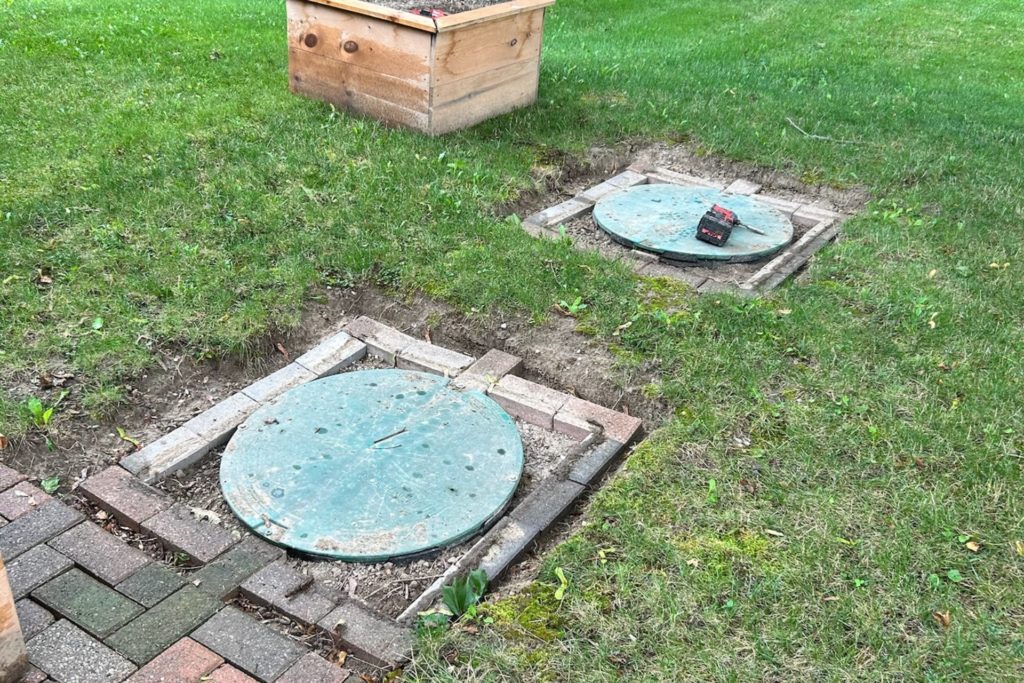
One of the most common questions homeowners ask is, “How long will my septic system last?” The answer depends on several factors, including how well the system was designed, how it was installed, and how it has been maintained over the years.
While many septic systems can provide reliable service for decades, no system lasts forever. Understanding what affects its lifespan can help you avoid unexpected repairs and plan ahead before small issues become costly ones. At Pioneer Septic Solutions, we help homeowners throughout Southern Ontario protect their investment with dependable septic solutions and professional advice.
A Well-Maintained System Can Last for Decades
Although every property is different, a properly installed septic system often lasts 25 to 40 years or more. The septic tank itself is usually built to last, but other components, such as pumps, filters, and the drain field, may require attention sooner.
Regular maintenance is one of the biggest factors that determines how long your system will continue working efficiently. Routine inspections and pumping remove excess sludge before it causes damage to the rest of the system.
What Can Shorten the Life of a Septic System?
Even a newer system can wear out early if it is not cared for properly. Several factors can reduce its lifespan.
Excessive Water Use
Using more water than the system is designed to handle can overload the septic tank and drain field. Spreading out laundry loads, fixing plumbing leaks, and using water efficiently all help reduce unnecessary strain.
Lack of Maintenance
Skipping routine pumping allows sludge to build up inside the tank. Over time, solids can enter the drain field, leading to clogs and expensive repairs that could have been avoided.
Poor Installation or Planning
A septic system should be built to suit your property’s soil conditions, household size, and expected water usage. A professional septic system design helps ensure the system performs properly for years to come.
Heavy Traffic Above the System
Parking vehicles or placing heavy equipment over the septic tank or drain field can compact the soil and damage underground components. Protecting these areas helps preserve the system’s performance.
Know the Warning Signs
As septic systems age, they often give warning signs before failing completely. Watch for:
- Slow-draining sinks and tubs
- Frequent plumbing backups
- Sewage odours around the property
- Wet patches near the drain field
- Bright green grass in one section of the yard
- Gurgling sounds from drains or toilets
These symptoms do not always mean the entire system has reached the end of its life. Sometimes a timely septic system repair is enough to restore proper function and prevent further damage.
When Is Replacement the Better Option?
There comes a point when repairs are no longer the most practical solution. If your septic system is several decades old, experiences recurring problems, or no longer meets your household’s needs, replacing your septic tank may provide better long-term value.
Replacing an ageing system before it completely fails can help avoid emergency repairs, property damage, and unexpected disruptions.
Protect Your Investment for Years to Come
A septic system is one of the hardest-working parts of your property, and a little maintenance goes a long way. Regular inspections, responsible water use, and addressing problems early can significantly extend its lifespan while reducing future repair costs.
Whether your system needs an inspection, a repair, or you’re considering an upgrade, our team at Pioneer Septic Solutions is ready to help. Contact us today for expert guidance and reliable septic solutions that keep your system performing at its best for years to come.